 Reviews


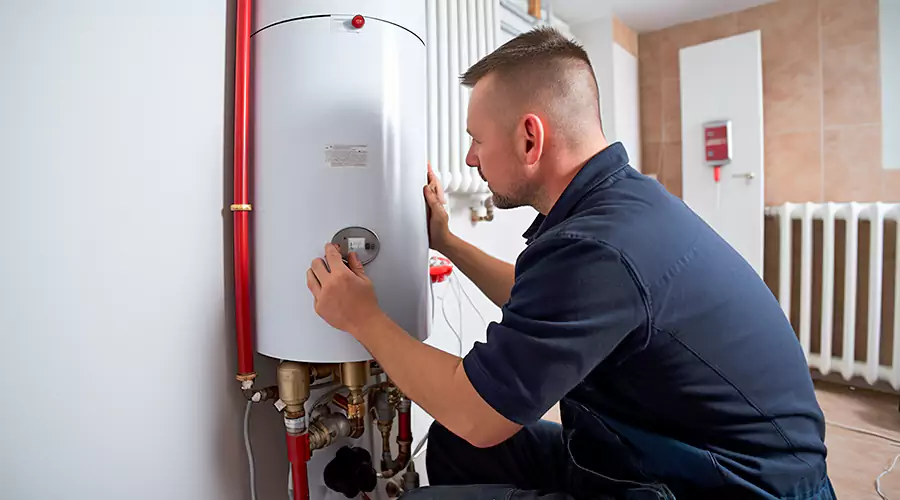
Your water heater works quietly in the background every single day. Hot showers, clean dishes, and warm laundry all depend on it performing reliably. Most homeowners never think about their water heater until something goes wrong, and by that point, the damage is already done.
Knowing how long a water heater lasts and what warning signs to watch for gives you time to plan ahead instead of scrambling for an emergency replacement.
How Long Do Water Heaters Typically Last?
Water heater lifespan depends on the type of unit installed in your home.
Tank water heaters are the most common type found in American homes. A well-maintained tank unit lasts between 8 and 12 years on average. Some reach 15 years with regular care, but pushing a tank heater beyond that range increases the risk of leaks, failure, and water damage significantly.
Tankless water heaters last considerably longer. A quality tankless unit has an average lifespan of 20 years or more when properly maintained. The higher upfront cost reflects both the longevity and the energy savings that come with on-demand heating.
Checking the age of your unit is simple. Find the serial number on the label attached to the heater. Most manufacturers encode the production date into the first few characters of the serial number. Your manufacturer's website will show you how to read it.
Factors That Affect Water Heater Lifespan
Water Quality in Your Area
Hard water carries high levels of calcium and magnesium that settle inside the tank as sediment over time. As sediment accumulates at the bottom, the heater works harder to heat water through the layer of buildup. This extra strain shortens the unit's lifespan noticeably.
Installing a water softener reduces mineral content in the supply and protects the tank from premature wear.
How Often the Anode Rod Gets Replaced
Inside every tank water heater sits a component called an anode rod. This sacrificial metal rod attracts corrosive elements in the water and corrodes in place of the tank itself. Without a functioning anode rod, the tank corrodes from the inside out.
Replacing the anode rod every three to five years is one of the most effective ways to extend the life of a tank water heater. Neglecting this single maintenance step is a leading reason why water heaters fail before their time.
Annual Flushing and Maintenance
Sediment collects at the bottom of the tank regardless of water quality. Flushing the tank once a year removes that buildup and keeps the heating element working efficiently.
Homeowners who schedule annual water heater maintenance consistently get more years out of their units than those who never service the heater at all.
Water Pressure Inside the Home
High water pressure puts constant stress on the tank and its connections. Operating above 80 PSI accelerates wear on internal components and shortens the overall lifespan of the unit.
Keeping home water pressure within the recommended range of 40 to 80 PSI protects the heater along with every other fixture in the house.
Clear Signs Your Water Heater Is Failing
The Water Is No Longer Getting Hot Enough
Noticing that showers run cold faster than they used to is one of the earliest signs of a struggling water heater. Sediment buildup around the heating element reduces its ability to heat water efficiently.
Flushing the tank sometimes resolves this issue. If the problem returns quickly after flushing, the heating element itself may need replacement.
Rusty or Discolored Hot Water
Seeing rust-colored water coming from hot water taps points to corrosion happening inside the tank. Once the interior of a tank corrodes significantly, contaminated water becomes a health concern and a full replacement becomes necessary.
Confirming the source is important before acting. Drain a few gallons from the tank using the drain valve. If the water runs rusty, the tank is corroding internally. If it runs clear, the discoloration may be coming from old pipes instead.
Strange Noises Coming From the Tank
Hearing rumbling, popping, or banging sounds from the water heater means sediment has built up heavily at the bottom of the tank. As the heating element burns through the hardened layer, it creates those sounds.
Flushing the tank at this stage helps but may not fully resolve the noise if buildup has become severe. A plumber can assess whether flushing is sufficient or whether replacement makes more practical sense.
Water Pooling Around the Base of the Unit
Finding moisture or puddles around the base of the water heater is a serious sign. Small cracks or fractures in the tank cause water to seep out as the metal expands during heating cycles.
Acting fast matters here. A leaking tank can cause significant water damage to the surrounding area. Turning off the power or gas supply to the unit and contacting a plumber right away is the right response.
Inconsistent Water Temperature
Experiencing hot water that fluctuates between very hot and lukewarm without any change in usage patterns suggests a failing thermostat or a deteriorating heating element. Both issues are repairable in younger units but may not be worth fixing in a heater that is already approaching the end of its lifespan.
The Unit Is More Than 10 Years Old
Age alone is a strong reason to start planning for a replacement. Even a water heater that seems to be performing adequately at 10 or 12 years old carries a growing risk of sudden failure. Replacing it proactively on your own schedule is far less disruptive and expensive than dealing with an unexpected breakdown.
Repair or Replace: How to Decide
Choosing between repairing and replacing a water heater comes down to two main factors: the age of the unit and the cost of the repair.
A useful rule of thumb is the 50 percent rule. If the repair cost exceeds 50 percent of the price of a new unit, and the heater is more than half its expected lifespan, replacement is almost always the smarter investment.
Repairs make sense for younger units experiencing isolated issues like a faulty thermostat, a failed heating element, or a worn pressure relief valve. These are straightforward fixes on a heater that still has years of reliable service ahead.
Replacement makes more sense when the tank is corroding, the unit is 10 or more years old, energy bills have been climbing, or the heater has needed multiple repairs in a short period.
Tank vs. Tankless: Which Is the Better Replacement?
Traditional Tank Water Heater
Tank heaters store a set volume of hot water, typically between 40 and 80 gallons, ready for use at any time. They cost less to purchase and install upfront, making them an accessible choice for most budgets.
The trade-off is standby heat loss. Keeping a full tank of water hot around the clock consumes energy even when no hot water is being used.
Tankless Water Heater
Tankless units heat water on demand as it flows through the system. No stored water means no standby heat loss, which translates directly into lower monthly energy bills.
Upfront costs are higher for both the unit and the installation. Over the lifespan of the unit, however, the energy savings and longer service life often make a tankless water heater the more cost-effective choice for many households.
Talking through the options with a licensed plumber helps you choose the right unit for your home's size, daily hot water demand, and long-term budget.
How to Extend the Life of Your Water Heater
Protecting your investment starts with a few simple habits.
Flushing the tank every year removes sediment before it hardens and strains the heating element. Replacing the anode rod every three to five years keeps internal corrosion from attacking the tank walls. Setting the thermostat to 120 degrees Fahrenheit reduces mineral buildup and lowers energy consumption at the same time.
Having a licensed plumber inspect the unit every few years catches developing problems early. Small issues like a worn pressure relief valve or a corroding connection are inexpensive to fix when caught before they become serious.
When to Call a Plumber About Your Water Heater
Some water heater problems are straightforward enough for homeowners to address, like adjusting the thermostat or relighting a pilot light. Others require a trained professional.
Calling a licensed plumber is the right move when the tank is leaking, when rust appears in the hot water supply, when the unit makes persistent loud noises after flushing, when the pressure relief valve is releasing water, or when the heater is approaching or past its expected lifespan and showing signs of wear.
A professional assessment tells you clearly whether a targeted repair adds meaningful life to the unit or whether the money is better spent on a new, more efficient replacement.
Summary
Your water heater has a finite lifespan, and understanding that lifespan puts you in control of the decision rather than leaving it to chance. Tank water heaters typically last 8 to 12 years with proper care. Tankless units extend that range to 20 years or more. Regular maintenance including annual flushing, anode rod replacement, and pressure monitoring makes a real difference in how long either type performs reliably.
Rusty water, rumbling noises, pooling water, and inconsistent temperatures are the signals your heater uses to tell you it is struggling. Paying attention to those signals early gives you time to plan a replacement on your schedule rather than reacting to an emergency. Taking care of your water heater is one of the simplest ways to protect your home and keep hot water flowing reliably every day.